

This guide is for those of you who are betting on sports for the first time.
I have to admit that sports betting can be a little intimidating in the beginning - and the sportsbooks don't make it easy!
Look at this screenshot from a known sportsbook. If you've never seen a betting site before, it's simply overwhelming, isn't it? What do all these numbers mean?!
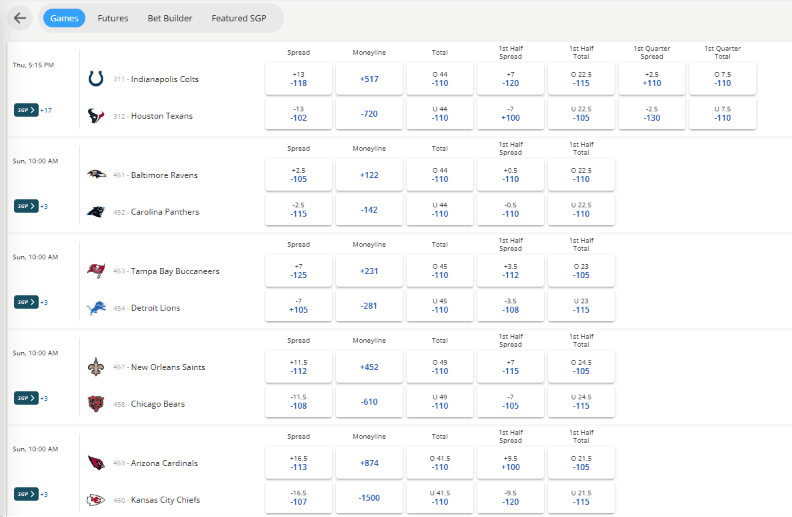
Most betting sites work in the same way, so if you want to bet on any games this year you will have to get used to seeing a bunch of numbers, odds, and betting lingo everywhere.
But, as always when you're learning something new, with practice, research, and a betting plan, betting can be a lot of fun (which is why Betting Ladies exists in the first place).
What you'll learn in this guide
Here is what you'll find in this short guide to sports betting:
- What odds are and how to read them. Plus, why they are the bread and butter of sports betting
- How to choose which betting site to join
- How to make your very first sports bet
- How to manage your money
- Some of the mistakes to avoid
- Becoming a better bettor (I love saying that)
Ready? Let's go
How odds work
For every bet you make, the sportsbook sets the odds. You can think of them as the probability of something happening, as guesstimated by the sportsbook. The odds also include the bookies' fees of each bet, and remember that the betting sides don't want you to win, so it's your job to try to beat the books.
Odds always have a minus or a plus in front of them to show which side of the bet is the UNDERDOG vs the FAVORITE.
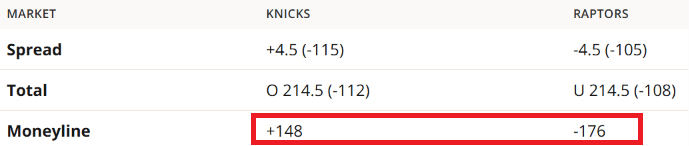
Minus sign for the favorite; plus sign for the underdog.
The odds also tell you the winning potential of your bet. The best explanation I have heard is to think about the odds relative to $100.
Here is how that works. For the favorite, the odds tell you how much you need to bet to win $100. The number after the plus sign is the dollar value you would win on a $100 bet.
Obviously, you don't need to bet $100, but you can use this to understand what the odds mean in practice. Say that you bet $10 when the odds are +150, you'd win $15. Get it?

Val C. Martinez
Founder of BettingLadies
Obviously, you don't need to bet $100, but you can use this to understand what the odds mean in practice. Say that you bet $10 when the odds are +150, you'd win $15. Get it?
The other thing to keep in mind here is the bookie fee. Let's say that the team or even and the odds are -110 on each side, you would need to bet $110 to win $100. Where did that extra $10 go you might ask? Well, that's the vig (and how the bookies make some of their money)
The last thing to mention here is that picking the winning side is not all of it. The odds determine what you get paid for winning the bet. The bigger the number after the minus sign, the more you need to bet to break even.
Think about this scenario: a team is favored at -200. To win $100 you would have to stake $200... That's why understanding the odds is perhaps the most important thing when learning how to bet.
Read more about how odds work.
Choose the right sportsbook
Try to find the sportsbook that works best for you. Each sportsbook has its own features, odds, and benefits.
When deciding where to bet, consider these factors:
- Sports and leagues covered: Make sure the sportsbook offers the sports and leagues you’re most interested in.
- Bonuses and promotions: Many sportsbooks offer special promotions for first-time users, such as free bets, deposit matches, or risk-free bets. Use these offers to lower your risk when starting out (meaning, you can essentially bet for free before you stake your own hard-earned cash)
- Usability: Look for a platform that’s easy to use, especially since most of us use the phone
It might be worth signing up for different betting sites to know which one you like best. It's common to have an account with multiple betting apps.
Before signing up with a sportsbook, read reviews (like this review of Fanduel) and compare features like payout, bonus, security, support, and UX.
Making your first sports bet
We have a guide that goes into making your first bet with a sportsbook in more detail. But here are some key points from that article.
Start with small bets
It’s tempting to jump into sports betting with high-stakes bets or long-shot parlays, but there are better ways to ease into it.
Start with small, straightforward bets.
- Moneyline bets: These are as simple as betting on which team will win the game. If the team you pick wins, you win.
- Player prop bets: These bets focus on an individual player’s performance rather than the overall game outcome. For example, in basketball, you can bet on how many points or rebounds a player will make. Props are good when starting out because they’re easier to understand and don’t require advanced math.
- Totals (over/under): Instead of betting on a team, you can bet on whether the total combined score of the game will go over or under a set number.
So, keep your bets small at the beginning, and avoid multi-leg parlays or exotic bets until you’ve gained more experience. Starting simple helps you focus on learning the basics without unnecessary stress.

Get $200 in Bonus Bets when you bet $5 for 4 days
- Smooth user interface
- Same-game parlays
- Fast payouts

Second Chance Bonus Bet Up To $500
- User-friendly mobile app
- Rewards program available
- Competitive odds
Bet on sports you know well
Your biggest strength in betting will always be how well you know the sport.

Betting on a sport you’re familiar with can help you make smarter decisions. Say that you've been following the NFL for years; you probably already know which teams perform well in certain conditions or which players are currently in form.
That said, avoid betting on your favorite teams, at least to start. Emotional bias can cloud your judgment, leading to impulsive decisions. Keep your betting focused on the numbers and facts, not your personal loyalties.
Set limits and bet responsibly
Sports betting should always be fun, not stressful. Before you start, set a clear budget (also called bankroll). Then, BEFORE YOU START, decide how much you’re willing to spend.
A good rule of thumb: only bet 1%-5% of your bankroll on a single bet.
Many sportsbooks offer tools to help YOU stay in control, such as spending caps or time limits. Use these features to make sure your betting remains a fun and responsible hobby.
Research before placing bets
Even if you’re familiar with the sport you’re betting on, research can give you an extra edge.

For example:
- Check injury reports and recent performances
- Analyze team schedules (e.g., back-to-back games or travel)
- Consider external factors like rivalries or weather conditions
These small details can influence a game’s outcome, so taking time to study before placing a bet can make a big difference.
Further reading:
Val C. Martinez
Founder of BettingLadies.com
If you have questions about how to bet or need advice on picking a specific team or player to back, ask us inside the community. It's free to join and you can be anonymous if you want to.
Track your bets and learn from experience
Keeping a record of your bets can help you identify patterns and improve your strategy over time. Note details like:
- What type of bet you placed
- The amount of money you bet
- The outcome (did you win/lose)
- Your confidence level in the bet. This can be a % of low/medium/high
Over time, you’ll start to see trends in what works and what doesn’t, helping you refine your approach.
Final thoughts
Sports betting is a blend of strategy, research, and a little bit of luck. By starting small, sticking to sports you know, and betting responsibly, you can make it an enjoyable and rewarding experience. Take advantage of resources like betting guides, community forums, and sportsbook promotions to build your knowledge and confidence. And most importantly, have fun and enjoy the game.
Good luck, and happy betting!
Val C. Martinez
Founder of BettingLadies.com

Irene Pierce
Senior Content Writer
